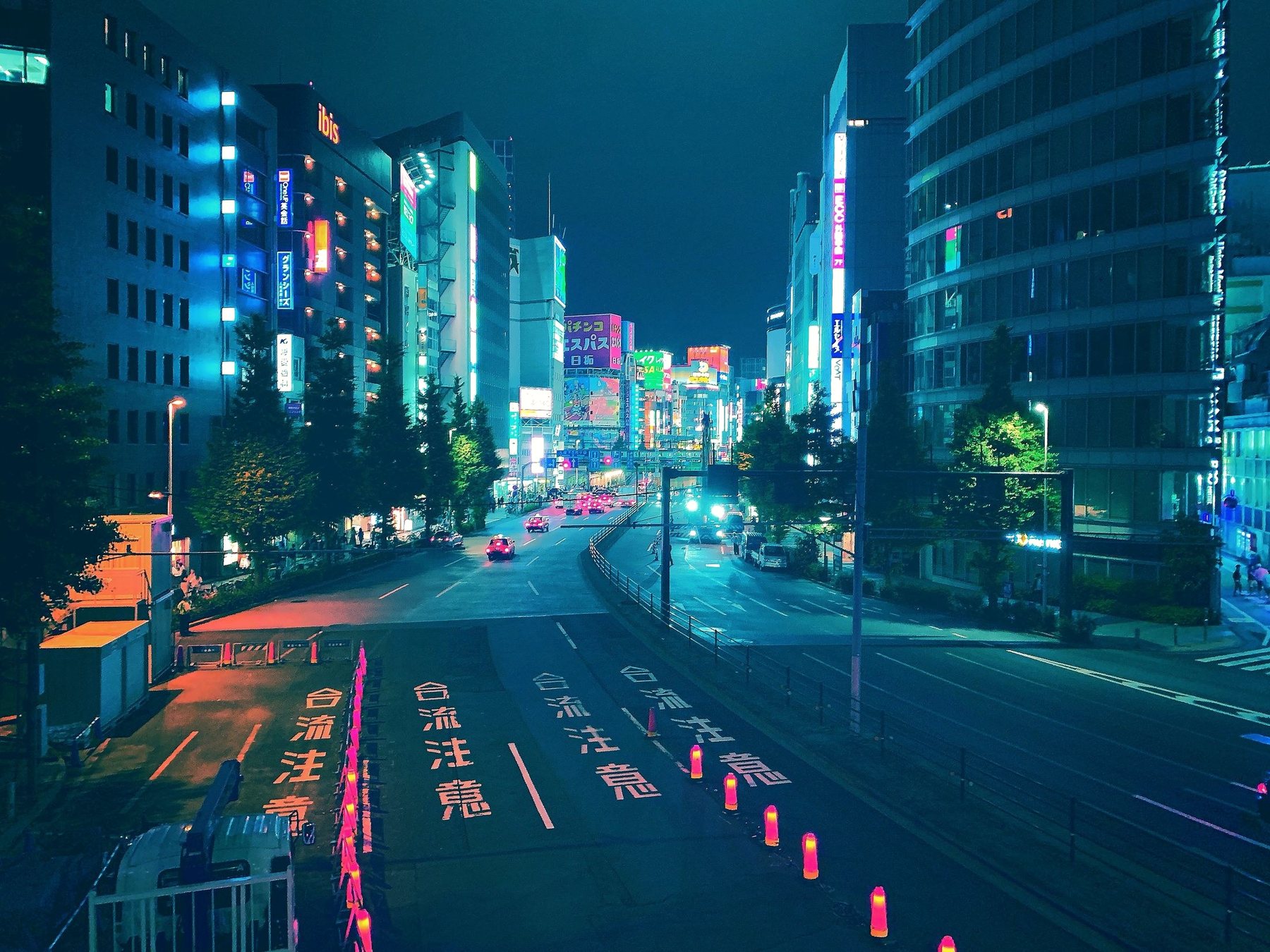
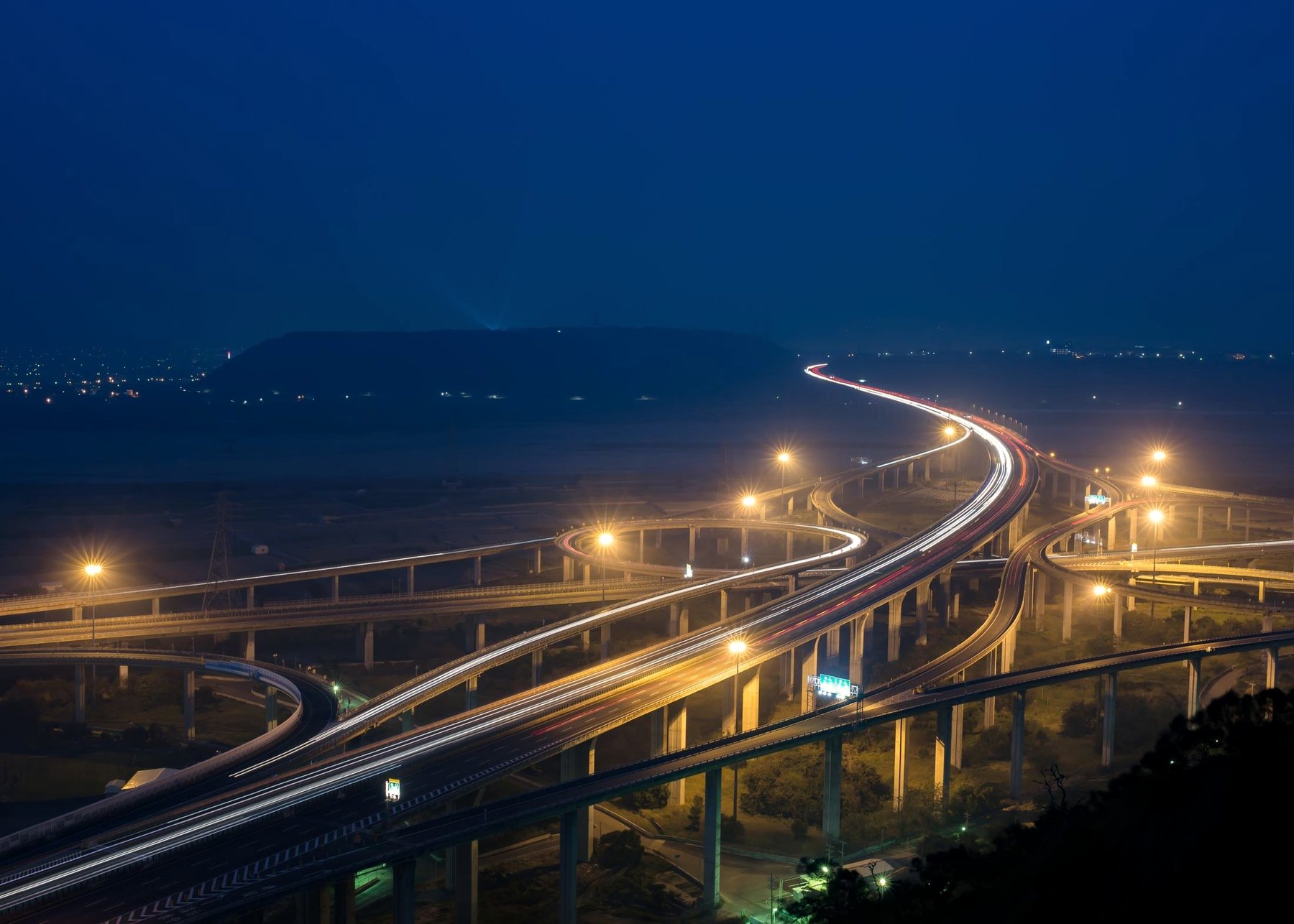
Aerial view of a highway interchange at dusk
Highway interchange, American Southwest
Field study · 01
FIELD NOTES  /  MOBILITY
ENGLISH PRESENTATION
CULTURE · MOBILITY · CHOICE

DRIVING CULTURES

How driving practices and car ownership vary around the world — and why public transport is a real alternative.

Furkan Ermağ
English · 3 minutes
6 slides
→ start
Driving Cultures 01 / 06
01  —  THE MEANING OF THE CAR
DRIVING CULTURES

The same machine, three different ideas.

In the United States the car promises freedom and space. In Japan it is small, precise — and parked only with proof. In the Netherlands it is often the second choice, because the bicycle wins.

1.59
billion motor vehicles in use worldwide
OICA · 2020
A truck on an empty desert highway
Monument Valley, United States — the open road
A car is technology. How a country uses it is culture. 02 / 06
02  —  OWNERSHIP
DRIVING CULTURES
MOTOR VEHICLES IN USE

Vehicles per 1,000 people.

OICA · Vehicles in Use 2020
per 1,000 inhabitants
United States
0
Germany
0
Japan
0
China
0
India
0
World average: 209 vehicles per 1,000 people.
INCOME

A car can cost years of salary.

DENSITY

Parking is scarce and expensive.

POLICY

Taxes and quotas can say no.

Scale is not the same as development 03 / 06
03  —  POLICY
DRIVING CULTURES
THREE COUNTRIES, THREE LEVERS

When policy has teeth.

The same goal — fewer cars, better streets — reached three very different ways.

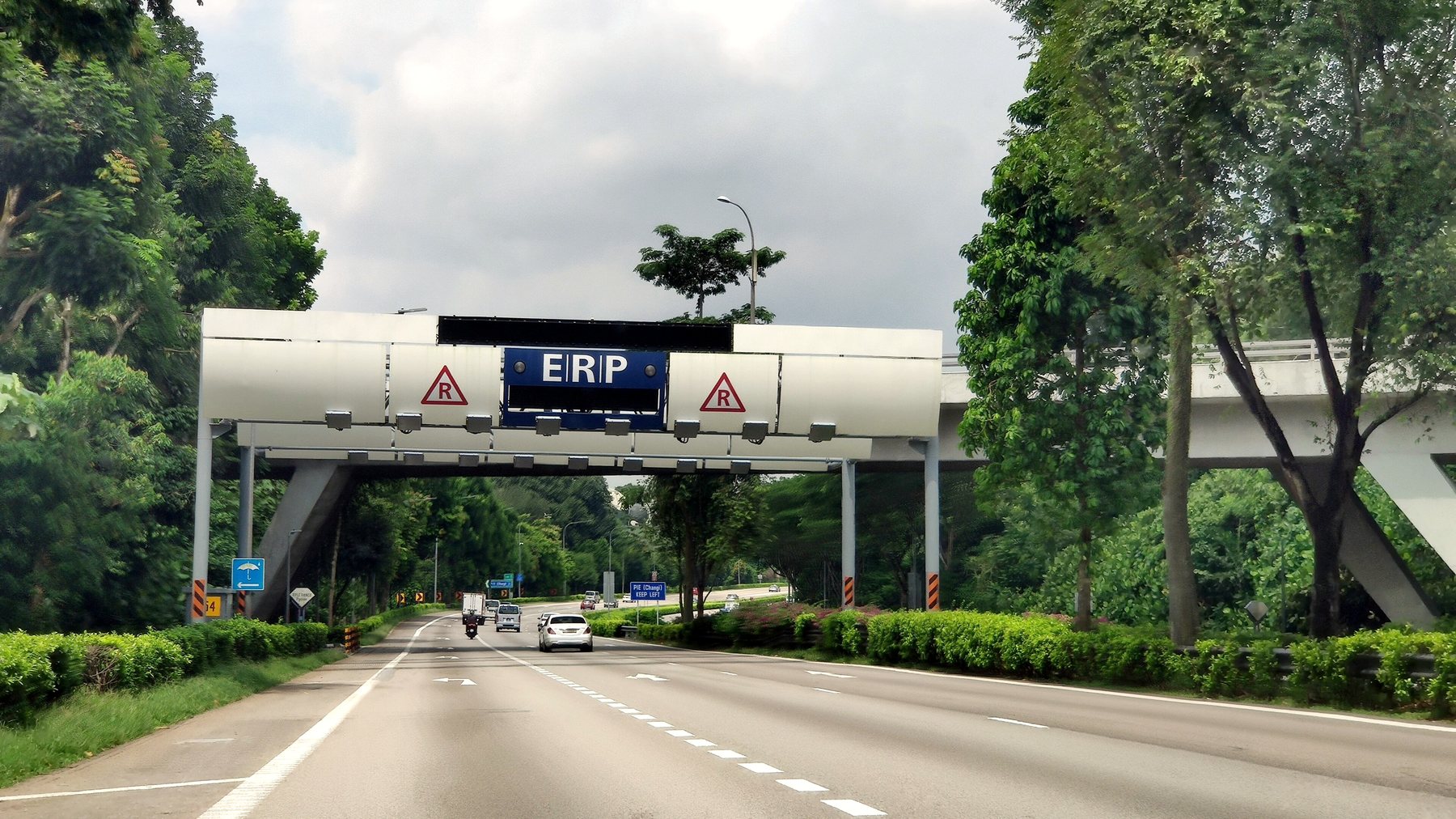
01Singapore expressway with an ERP gantry
Singapore
10 years

A licence to own

A Certificate of Entitlement lasts ten years. It can cost more than the car.
02A small kei car on a Tokyo backstreet
Tokyo, Japan
1 space

Proof of parking

You must show a parking space before you can register a car. Kei cars are taxed less.
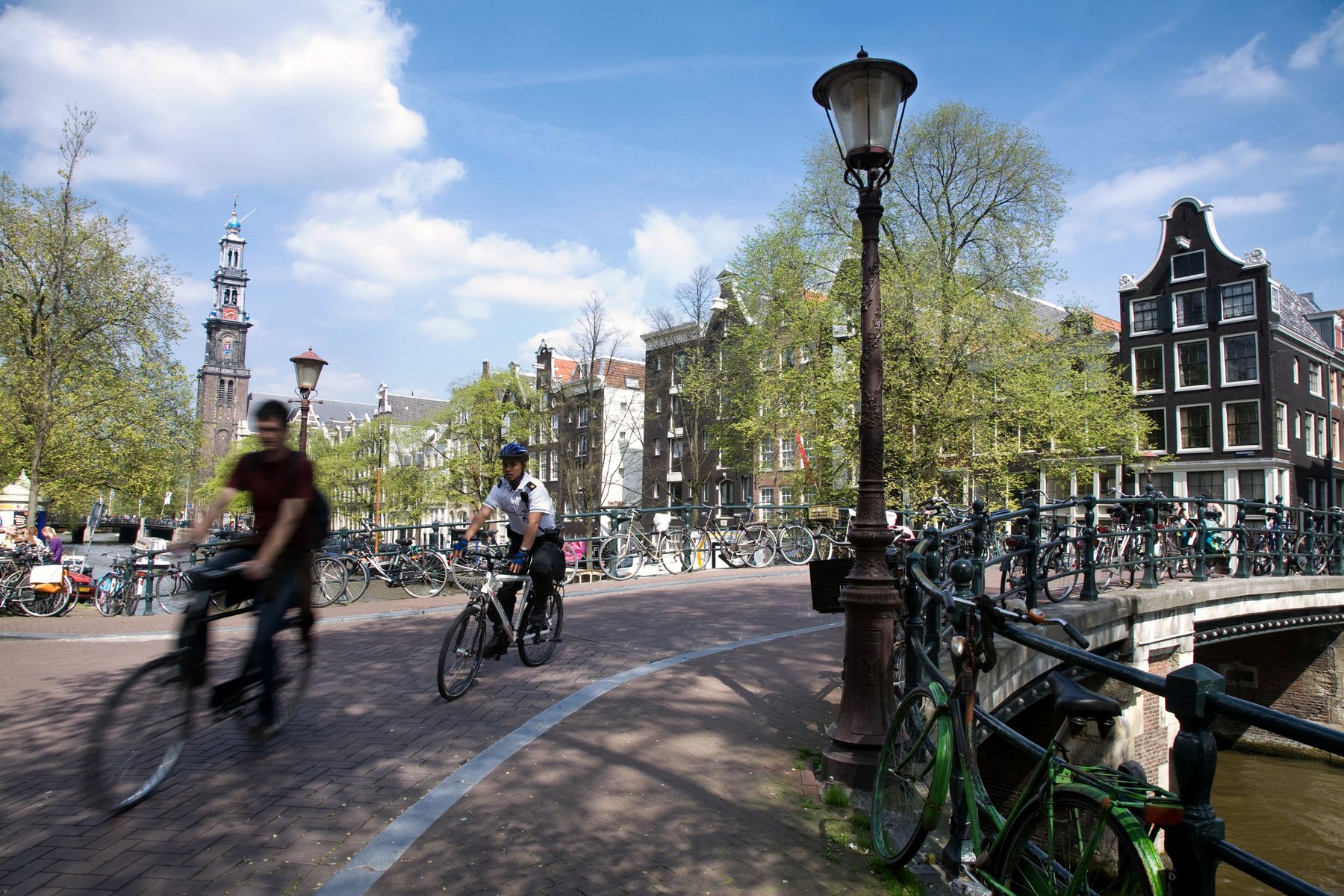
03Cyclists on an Amsterdam cycle path
Amsterdam, Netherlands
36%

Build the alternative

515 km of cycle paths. 36% of all trips are by bike, not by car.
Sources: Land Transport Authority (Singapore) · Tokyo Metropolitan Government · City of Amsterdam / CIVITAS
Policy is culture with a budget 04 / 06
04  —  THE ALTERNATIVE
DRIVING CULTURES
WHEN THE TRAIN IS THE NORMAL

Public transport is the default.

40M
rail journeys every day in Greater Tokyo. Rail carries 48% of trips in the centre.
11.5M
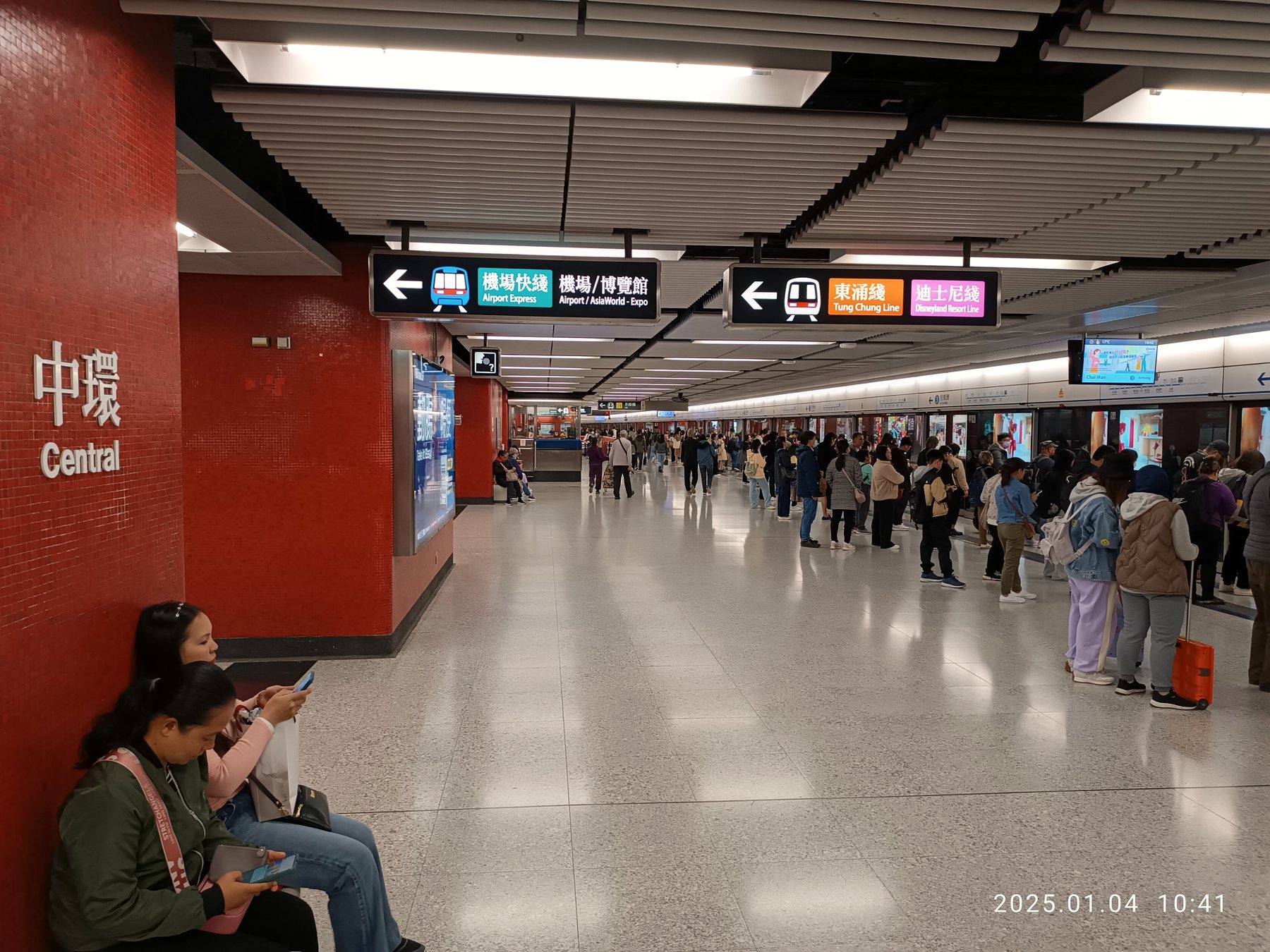
public transport journeys every day in Hong Kong. The MTR carries 5 million.
The country is not the city: the Netherlands has 588 cars per 1,000 people, but Amsterdam has 260.
Tokyo metro platform at rush hour
Tokyo — order, frequency, scale
Hong Kong MTR station with a dense crowd
Hong Kong — the MTR as the city's spine
Tokyo: 40M rail journeys/day · Hong Kong: 11.5M public transport journeys/day 05 / 06
05  —  CONCLUSION

Driving is a mirror.

It reflects money, space, history and choices. Cultures do not only drive differently — they decide differently about streets.

Electric carsCar-free streetsBetter transit
Thank you.
Furkan Ermağ
English presentation
3 minutes
A car-free European street with café tables
Sources
OICA, Vehicles in Use 2020
Hong Kong Transport Department, 2023
Tokyo Metropolitan Government / LKY World City Prize
City of Amsterdam / CIVITAS
Wikipedia, left- and right-hand traffic
Photography: Pexels contributors
Wikimedia Commons: Jorge Royan (CC BY-SA 3.0) · MaedaAkihiko (CC BY-SA 4.0) · Jnzl (CC BY 2.0) · ZEWIA dumlwp (CC0)
06 / 06